

Designing Calm: Neurodiversity‑Sensitive Spaces That Soothe and Empower

Step into a conversation about neurodiversity‑sensitive spaces, where reducing sensory overload through thoughtful design becomes an everyday, humane practice. We explore lighting, acoustics, materials, zoning, and co‑design so classrooms, workplaces, homes, and public venues can welcome different sensory profiles without compromise. Expect practical ideas, tender stories, and evidence‑based choices that trade chaos for calm, sharp edges for soft guidance, and pressure for agency. Join in, share experiences, and help shape interiors that honor focus, comfort, and autonomy while celebrating energy, creativity, and belonging.

Sensing the World: What Overload Feels Like and Why It Happens

Sensory processing differences are not deficits; they are diverse ways of receiving the world. Overload often arises when stimuli stack unpredictably, leaving the brain with too many signals to filter or prioritize. Flicker joins echo, perfume meets crowding, and decisions become exhausting. Thoughtful design acknowledges predictability, control, and recovery as fundamental needs. By mapping triggers and pacing change, we preserve energy for learning, working, and connecting, transforming daily environments from battlegrounds into gentle partners that support focus, confidence, and steady emotional regulation for different nervous systems.

Light, Contrast, and Visual Traffic

Visual noise is more than brightness; it is the restless choreography of reflections, clutter, high contrast edges, busy patterns, and scrolling screens competing for attention. Overload builds when exit paths are unclear, labels shout, or surfaces flicker subtly. Reducing harsh contrast, simplifying backgrounds, and clarifying sightlines lowers cognitive sorting demands. When the eyes rest, thinking deepens. Design becomes a friendly narrator, guiding gently with consistent cues, not a chaotic chorus demanding immediate reactions.

Sound, Echo, and Mechanical Hum

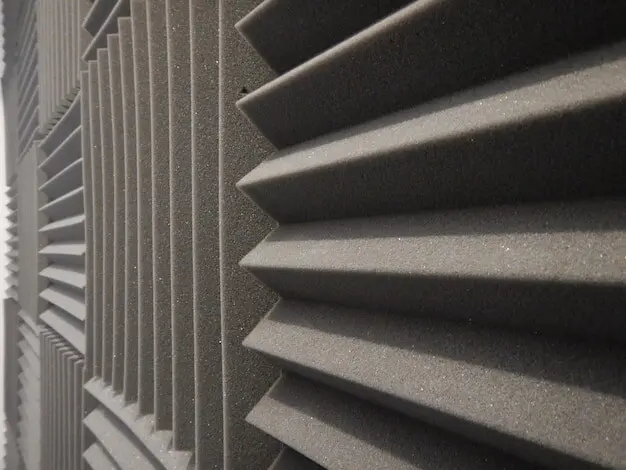
Acoustic stress accumulates through hard surfaces, HVAC hiss, grinding chair legs, hallway chatter, and alarms that pierce concentration without warning. The brain works overtime filtering irrelevant noise, stealing energy from tasks and conversations. Absorption, diffusion, and isolation restore a sense of safety by shortening reverberation and stopping sharp spikes. Predictable soundscapes welcome headphones, provide quiet corners, and let whispered focus stand taller than clanging interruptions, allowing attention to stretch instead of fracture.

Touch, Temperature, and Scent

Textures, fabrics, and finishes speak directly to the nervous system. Scratchy chair seams, clammy vinyl, drafty vents, and perfumed cleaners can keep bodies braced, even when minds try to relax. Thermal gradients and unexpected scents pull focus away repeatedly. Offering breathable textiles, a neutral scent policy, stable temperatures, and optional tactile tools returns agency to occupants. The goal is not sterility but thoughtful choice, where comfort is available without forcing unwanted sensation, and soothing becomes customizable rather than prescriptive.

Light That Listens: Gentle Strategies for Eyes and Minds

Lighting should support bodies throughout the day, not command them into squinting submission. Flicker‑free, dimmable, layered illumination acknowledges that sensitivity changes with tasks, moods, and seasons. Daylight is precious yet must be filtered to prevent glare, shimmering reflections, and sharp contrast leaps. Color temperature shifts can cue transitions without fanfare. Personal control matters most: when people can brighten, soften, or redirect light, their nervous systems loosen their grip. Attention returns, eyes soften, and rooms feel kinder to sustained thought and calm collaboration.

Quiet by Design: Acoustics, Materials, and Spatial Texture

Reverberation Tamed at the Source

Treat ceilings and first reflection points with acoustic panels or baffles designed for true absorption, not just decorative promises. Wrap hard corners with diffusion to scatter harsh echoes. Choose quiet appliances and soft bumpers that prevent clangs. Shorter reverberation time means fewer lingering syllables competing with new ones. People speak gently, hear clearly, and the nervous system no longer braces for impact with every footstep or cup on the counter, restoring sustained focus and social ease.

Soft Landings Underfoot and At Hand

Cork, rubber, and dense woven carpets mute footsteps while offering gentle resilience. Felted chair glides, soft‑close hinges, and cushioned table edges reduce sharp micro‑shocks that chip away at attention. Upholstery with breathable, non‑scratch textiles invites longer, steadier sitting without restless skin. When contact surfaces feel kind, fidgeting becomes purposeful regulation rather than frantic escape. Comfort multiplies through tiny interactions, allowing minds to stay engaged while bodies settle into their chosen rhythms and speeds.

Boundaries, Textures, and Emotional Safety

Low partitions, plant groupings, and textured screens carve micro‑zones that signal safety without enclosing people completely. Subtle tactile diversity helps users orient by feel and sight, building confidence that exits, tools, and supports are discoverable without drama. Edges that are visually legible but not aggressive teach the room to speak softly. These gentle boundaries invite approach rather than demand withdrawal, making collaborative work feasible while preserving the right to pause, recalibrate, and continue with dignity.

Predictable Paths: Zoning, Wayfinding, and Transitions

Predictability reduces cognitive load. When zones are legible and routes unfold logically, the brain spends less fuel decoding layouts and more on meaningful tasks. Clear sightlines, consistent iconography, and distinct yet calm color coding allow quick orientation without visual shouting. Transition spaces buffer energy shifts between loud and quiet zones, giving bodies time to adjust. Provide maps at decision points, not after them, and maintain redundant cues so signage, texture, and light reinforce one another gently and helpfully.

Made With, Not For: Co‑Design and Lived Experience

Design gains honesty when neurodivergent people lead, critique, and prototype alongside professionals. Lived experience reveals friction earlier than surveys can. Sensory walkthroughs, diary studies, and low‑risk pilots translate feelings into actionable specifications that respect agency. Trust grows when feedback meaningfully reshapes outcomes, not just checklists. This collaborative stance avoids tokenism and discovers joyful details that textbooks miss. Expect fewer costly retrofits, clearer priorities, and solutions that feel emotionally accurate to those who rely on them daily.

A Classroom Becomes Calmer

A teacher invited students to map daily stress on a floor plan with stickers. Clusters revealed hotspots near flickering tubes and a metal cart that squealed. After swapping to flicker‑free LEDs, adding felt to wheels, and creating a low‑stimulus reading bay, behavior referrals dropped, transitions shortened, and independent work time expanded. Students reported feeling proud of their room, not trapped by it, a quiet shift that sustained learning gains across months.

A Neuroinclusive Office Pilot

A small firm tested movable acoustic screens, a booking system for quiet pods, and dimmable task lights funded as a micro‑grant. Weekly check‑ins replaced assumptions with data about overload peaks around client calls. The team redistributed collaboration to mid‑mornings, masked HVAC hiss, and posted clear norms supporting headphones without apology. Turnover slowed, deep work flourished, and even extroverted staff appreciated smoother transitions and fewer misunderstandings about availability, priorities, and communication pace.

A Waiting Room Reimagined

Patients and families co‑sketched a check‑in sequence with color‑coded tickets, a silent text notification system, and two distinct seating areas: lively and low‑stimulus. Warm, matte finishes replaced glossy glare, and a scent‑neutral cleaning protocol launched. Staff learned to offer choice prompts rather than rapid instructions. Reported anxiety eased, appointment no‑shows shrank, and clinicians noticed calmer starts that shortened total visit times. Dignity rose not through perfection, but through predictable, co‑authored touchpoints.


Learning Loops: Measuring Impact and Iterating With Care

Sustained inclusion grows from gentle measurement, not surveillance. Establish light‑touch rhythms for noticing: short surveys, sensory diaries, and observational walks at different times of day. Track concrete signals like dwell time in quiet nooks, headphone availability, and request patterns for adjustments. Share findings transparently and commit to small, reversible experiments. Celebrate wins, own misses, and keep inviting voices that were quiet before. Iteration turns spaces into living agreements that evolve as needs and seasons change.
Sanolorozorisentodari
Privacy Overview

This website uses cookies so that we can provide you with the best user experience possible. Cookie information is stored in your browser and performs functions such as recognising you when you return to our website and helping our team to understand which sections of the website you find most interesting and useful.