

A Classroom Becomes Calmer
A teacher invited students to map daily stress on a floor plan with stickers. Clusters revealed hotspots near flickering tubes and a metal cart that squealed. After swapping to flicker‑free LEDs, adding felt to wheels, and creating a low‑stimulus reading bay, behavior referrals dropped, transitions shortened, and independent work time expanded. Students reported feeling proud of their room, not trapped by it, a quiet shift that sustained learning gains across months.

A Neuroinclusive Office Pilot
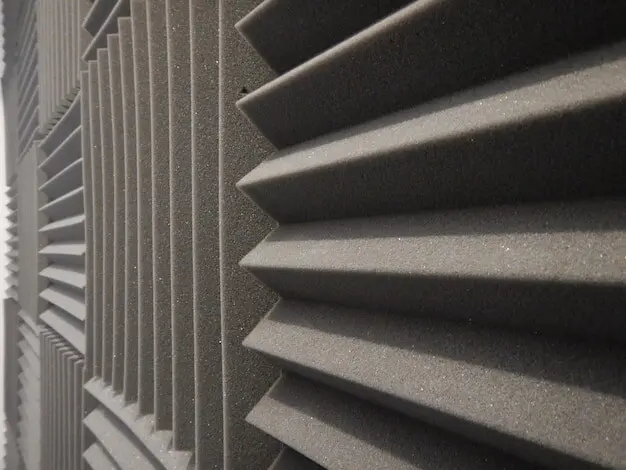
A small firm tested movable acoustic screens, a booking system for quiet pods, and dimmable task lights funded as a micro‑grant. Weekly check‑ins replaced assumptions with data about overload peaks around client calls. The team redistributed collaboration to mid‑mornings, masked HVAC hiss, and posted clear norms supporting headphones without apology. Turnover slowed, deep work flourished, and even extroverted staff appreciated smoother transitions and fewer misunderstandings about availability, priorities, and communication pace.

A Waiting Room Reimagined
Patients and families co‑sketched a check‑in sequence with color‑coded tickets, a silent text notification system, and two distinct seating areas: lively and low‑stimulus. Warm, matte finishes replaced glossy glare, and a scent‑neutral cleaning protocol launched. Staff learned to offer choice prompts rather than rapid instructions. Reported anxiety eased, appointment no‑shows shrank, and clinicians noticed calmer starts that shortened total visit times. Dignity rose not through perfection, but through predictable, co‑authored touchpoints.