
Designing Quiet That Works
Today we explore Acoustic Wellbeing: Noise-Control Design for Peaceful, Productive Environments, translating acoustics into daily comfort, focus, and healthier teams. Expect clear explanations, field stories, and simple choices you can apply right now, whether you steward classrooms, clinics, studios, or open offices. Bring your questions, compare notes, and imagine workdays where your energy goes to ideas rather than fighting background clatter.
Why Quiet Feels Like Energy
Quiet refuels attention, slows stress chemistry, and frees up working memory for thinking that matters. When soundscapes soften, people report fewer headaches, quicker decisions, and warmer collaboration. We have seen teams shift from jittery multitasking to steady focus simply by taming reverberation, blocking harsh intrusions, and aligning spaces with the rhythms of concentrated work and humane breaks.





Reading the Room: Metrics That Matter
Clear targets transform guesswork into results. Understanding decibel scales, time-averaged levels, reverberation time, and speech privacy unlocks smarter choices. A library thrives near a short reverberation tail; a counseling room needs strong privacy; an open studio benefits from balanced masking. Measuring before and after lets you celebrate wins and correct surprises quickly, compassionately, and economically.
Decibels, Scales, and Reality
A-weighted decibels approximate human hearing sensitivity, emphasizing mid and high frequencies where speech lives. C-weighting captures bass energy that often hides in HVAC and subwoofers. Look at average and peak levels, then correlate them with activities. Numbers alone do not tell stories; pair measurements with lived experience to understand frustration, fatigue, and the moments people cherish.
Reverberation Time, Clarity, and Warmth
Reverberation time describes how long sound lingers after the source stops. Shorter decay improves articulation for speech-heavy rooms, while slightly longer tails can feel enveloping for music and worship. Materials, volumes, and shapes all matter. Aim for balance: enough absorption for clarity, enough diffusion for naturalness, and smart placement so help arrives exactly where it is needed.
Speech Privacy and Intelligibility
Intelligibility measures how clearly words arrive; privacy measures how much unintended listening is prevented. Paradoxically, perfect clarity everywhere can harm confidentiality and focus. Use blocking, absorption, and gentle masking to keep intended conversations clear to participants while rendering distant speech pleasantly unintelligible. People relax when they do not have to monitor every whisper floating across a room.
From Noise to Notes: The Control Playbook

Tame the Source First
Before buying panels, ask which sounds can be reduced or removed. Select quieter equipment, fix door closers, decouple vibrating fans, and soften chair feet. Small source reductions compound across a day, lowering fatigue and resentment. When the loudest culprits behave, every other intervention works better, cheaper, and with fewer unintended side effects on comfort or communication.

Shape the Path With Purpose
Sound travels through air, structures, and sneaky flanking routes. Seal cracks, add mass where leaks exist, and avoid continuous rigid connections that bridge vibration. Use vestibules as acoustic airlocks, place storage as buffers, and arrange furniture to break sightlines. Shaping paths turns sprawling disturbances into contained, predictable backgrounds that people can easily ignore or accommodate.
Support the Receiver Humanely
People vary widely in sensitivity. Offer choice: quiet corners, collaborative zones, and semi-private booths. Provide soft cues like visual indicators or gentle chimes rather than shaming signage. Headsets with open transparency modes help, but should not shoulder the full burden. When individuals feel supported, they reciprocate with considerate behaviors that keep shared soundscapes refreshingly civil.
Materials That Quietly Lead
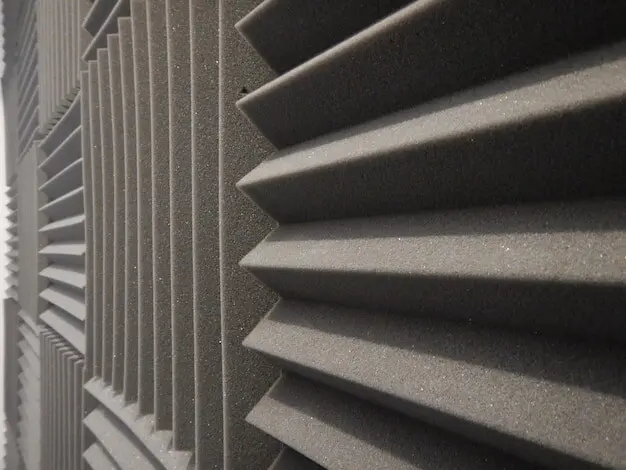
Surfaces teach sound how to behave. Porous absorbers drink energy, resonant panels target boomy bands, and heavy layers block transmission. Choose assemblies for the job, not the brochure gloss. Test samples, mind fire safety, verify certifications, and balance aesthetics with maintenance. Smart combinations deliver comfort without turning rooms into muffled caves or echo-prone stages.


Planning Spaces People Can Hear Themselves In
Good planning prevents heroic fixes. Map activities, align adjacencies, and design sonic buffers as diligently as circulation. Place quiet work near calm edges, group lively collaboration around acoustically resilient cores, and thread restorative nooks through the plan. When zoning honors human energy cycles, productivity rises naturally because rooms reinforce intentions rather than constantly arguing with them.
Tuning, Technology, and Culture
Even excellent designs need calibration and respectful habits. Commission masking thoughtfully, tune HVAC for quiet flow, and verify targets after furniture arrives. Teach meeting etiquette and create cues that normalize considerate noise levels. Celebrate wins publicly and adjust without blame. A culture that cares for sound will defend it, sustain it, and joyfully invite newcomers into it.
Masking That Comforts, Not Conceals
Sound masking should be a calm, neutral bed that reduces speech clarity at distance without feeling like hiss. Commission by zone, measure intelligibility, and listen with users across a full day. Subtle seasonal tweaks help. When masking supports privacy and warmth, people stop whispering or overprojecting, and the space breathes with an easy, confident hush.
Mechanical Music Turned Down
Fans, diffusers, pumps, and dampers often write the building’s soundtrack. Select quiet equipment early, isolate mounts, balance flows, and dodge resonant duct dimensions. After occupancy, revisit setpoints and verify nighttime setbacks. Preventive maintenance matters: a loose panel or thirsty bearing can undo months of care. Quiet systems disappear, letting conversations and concentration take center stage.
All Rights Reserved.